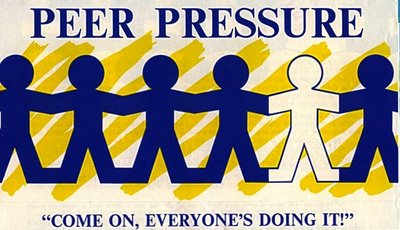
Teenage Peer Pressure
For teenagers, it can seem very important to “fit in.” Teens are very concerned about their images, and they are worried about what others think about them. As a result, peer pressure is very influential in many teens’ lives. Peer pressure is basically the influence that people your age have on you. For teenagers, it is the influence that other teens have on their behavior, dress, attitude and practices. Often, teenagers do what others are doing so that they can fit in – or at least not stand out. Teens like to do what their friends are doing, and be accepted. This peer pressure, though, can lead to undesirable behaviors.
Statistics on peer pressure
There are some startling statistics about peer pressure, and what teenagers feel pressured to do. This pressure may be fairly straightforward, with some teens pressuring others to take part in certain activities. In some cases, though, peer pressure is a little more subtle, with clues given to teens that they won’t be “cool” if they don’t participate, even without the overt pressure to do what everyone else is doing. Here are some statistics about peer pressure:
- The Adolescent Substance Abuse Knowledge Base reports that right around 30% if teens are offered drugs in middle school and high school.
- According to the National Household Survey on Drug Use and Health from the U.S. Department of Health and Human Services, 74.3% of high school students have tried alcohol.
- 3.1 million teenagers smoke, according to the American Lung Association.
- The Kaiser Foundation reports that about 50% of teenagers feel pressured with regard to sex in relationships.
You can see that the peer pressure is on to engage in behaviors that may not be healthy, physically or emotionally, for your teenager. While some teens choose some behaviors when they are ready, many feel rushed into decisions that they are not quite ready to make. Many end up overwhelmed by the consequences of their efforts to fit in with their peer group. It is vitally important that you help your teenager develop the self confidence to withstand peer pressure, and make his or her own decisions.
How parents can combat peer pressure
There is always going to be a certain amount of bowing to peer pressure. Teens naturally want to project the “right” image. However, you can reduce the influence that peer pressure has on your teenagers by making the following moves:
- Open lines of communication: It is vital that you be understanding and approachable. Teenagers are afraid to come to those who are judgmental or who will subject them to ridicule. Establish a practice of speaking with your child regularly, and listening. Sometimes, your child just needs to feel that you are listening.
- Have clear expectations: Start when your children are young to have clear expectations for their behavior. Talk to your kids and teens about different subjects of interest. Health and Human Services reports that 59.8% of teenagers that talk with their parents about the dangers of substance use (including alcohol) are more likely to abuse such substances.
- Know their friends: Get to know your teen’s friends. You should also try to get to know your friends’ parents. Try to make your home an inviting place for your children to bring their friends, so that you can keep an eye on them. Be there for your teen to talk to, and discuss activities that their friends may be involved in, and their inappropriateness if necessary.
- Be involved: Show your teen that you care. Attend after school activities and sporting events. Listen to them talk about their lives. Show that you are interested in what they are doing. Take time to be together as a family. Teenagers who are involved with their families and have good support systems are less likely to succumb to peer pressure.
- Talk about the issues: Talk about what is going on with others your kids’ ages. Talk about issues including teen drug use, alcohol, sex and other items. Talk about issues ranging from what’s going on with academics and local politics to how to make better decisions. This can facilitate conversations and help you make clear your expectations.
- Pick your battles: Understand that some things are less important than others. Letting your teen wear all black or listen to the latest music is less of an issue in many cases. If your teen is not showing deviant behavior, and continues to do well in school, what he or she wears or listens to may not be worth an argument. Your teen will be more willing to listen to you when it really matters if you avoid nit-picking when it doesn’t.
In the end, you need to encourage your teen to choose good friends who will be supportive of them. And you need to help your teenagers withstand peer pressure by providing a safe support system.